A practical look at pricing, staging, and true costs, for every kind of seller.
The market has shifted. Homes aren't flying off the market in days with ten offers the way they were a few years ago, and that means how you sell matters more than it used to. Whether this is your first sale or your fifth, a few fundamentals make the biggest difference in how fast your home sells and what you walk away with.
Get It Market-Ready Before You List
Nearly all buyers now use the internet at some point during their home search, and photos are often what determines whether someone requests a showing at all. That makes prep work worth the time investment before your first listing photo is ever taken. Start with decluttering and depersonalizing by clearing countertops, closets, and personal photos helps buyers picture their own life in the space rather than yours. Handle the small repairs you've been putting off: a leaky faucet, a cracked tile, a door that doesn't latch. None of these are expensive fixes individually, but buyers notice them, and a home that shows a pattern of small neglect makes buyers wonder about bigger issues they can't see. Curb appeal matters just as much. Mowed lawns, trimmed bushes, and a clean entryway shape a buyer's first impression before they ever step inside. Finally, invest in professional photography if your budget allows; it's one of the highest-leverage dollars you'll spend, since it's doing the work of getting buyers through the door in the first place.
Price It Right From Day One
Overpricing is still the single most common seller mistake, and it's an expensive one. A home that sits on the market too long starts to look like it has something wrong with it, even if the only issue is the price. Buyers and their agents track how long a listing has been active, and price cuts after weeks of sitting rarely recapture the interest a correctly priced listing gets in its first two weeks. The fix isn't complicated: price against recent, comparable sales in your neighborhood, not against what you owe, what you paid, or what you feel it's worth.
Staging Still Pays Off — Even Modest Staging
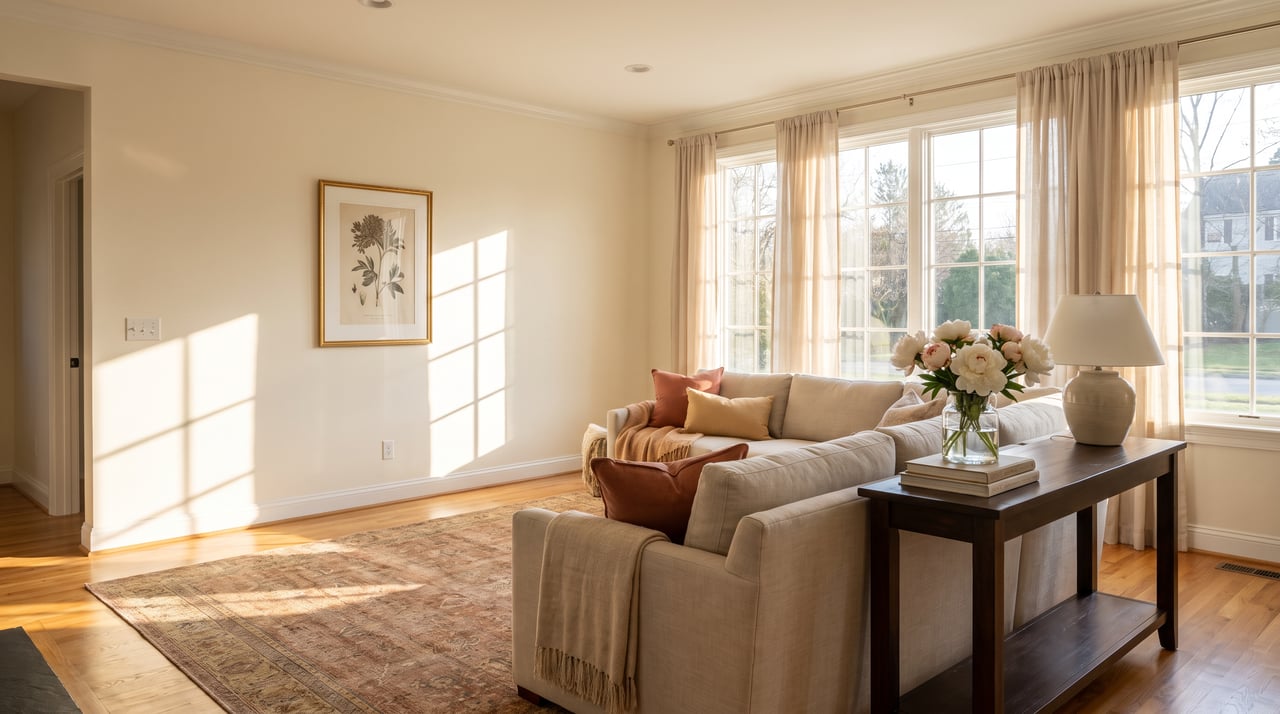
Home staging has real, measurable results. Staged homes have sold in an average of 23 days compared to 47 days for unstaged homes, roughly half the time on market. Sellers who stage typically see a return in the range of 5 to 15% on the cost of staging, and industry surveys report that a large majority of buyers' agents, around 83%, say staging makes it easier for buyers to picture themselves living in a home. Homes that are staged sell 73% faster than those that are not staged. You don't need a full professional package to get a benefit: decluttering, depersonalizing, and arranging furniture to show scale and flow captures much of the upside. Professional staging services typically run 1 to 3% of the asking price if you want the full treatment.
Know What Selling Actually Costs
Real estate commissions in 2026 are averaging in the 5.44% to 5.70% range nationally, though the exact split between listing and buyer's agents is now something you negotiate directly. Since the 2024 NAR settlement, commission rates are no longer bundled or automatically published on the MLS. Have that conversation with your agent up front so there are no surprises. Beyond commission, plan for total selling costs. Those costs include title fees, transfer taxes, and prorated items, in the range of 8 to 10% of your sale price. Building that number into your expectations early prevents an unpleasant surprise at the closing table.
Handling Offers — Whether You Get Five or Just One
In a market with more inventory and fewer desperate bidders, the days of ten offers over asking are the exception rather than the rule in most areas. If you do receive multiple offers, resist the urge to focus only on price, financing type matters too. A cash offer or a strongly pre-approved conventional buyer typically closes with far less risk than a buyer whose financing is shaky, even if their offer is a few thousand dollars lower. If you receive a single, lower-than-expected offer instead, treat it as a starting point for negotiation, not an insult. A counteroffer that addresses price, closing timeline, or a small concession (like covering part of the buyer's closing costs) often bridges the gap without either side feeling like they lost.
Every Seller Is Different
A first-time seller often underestimates both the timeline and the true cost of selling, and benefits most from a detailed walk-through of the process before listing. A move-up seller is usually juggling the sale of one home against the purchase of another, which makes timing and contingencies (like a rent-back agreement to bridge the gap) especially important. A luxury seller typically needs a longer marketing runway, professional photography and staging carry more weight at higher price points, and the buyer pool is smaller, so patience matters. A seller who's downsizing or relocating for retirement is often more focused on coordinating logistics, movers, timing, where they're going next, than they are on squeezing out the last dollar, and that's a completely reasonable priority to set.
What the Timeline Looks Like
Once your home is prepped and listed, expect an initial wave of showings in the first two to three weeks. This is typically when a correctly priced home gets its strongest interest. After you accept an offer, most transactions move through inspection, appraisal, and financing over several weeks before closing; conventional financed sales commonly take around four to six weeks from accepted offer to closing, while cash sales can move faster. Your agent can give you a more specific timeline based on your local market and the buyer's financing.
Common Mistakes That Cost Sellers Money
Pricing based on emotion or what you need to net, rather than what comparable homes have actually sold for.
Skipping a pre-listing inspection, then getting blindsided by a buyer's inspection report that stalls or kills the deal.
Being present during showings. Buyers are far less candid, and less comfortable, discussing a home with the seller in the room.
Ignoring curb appeal because "it's what's inside that counts.” The exterior is what gets a buyer to walk in at all.
Not budgeting for the full 8–10% in selling costs, which can shrink an expected payout more than sellers anticipate.
Ready to Talk Through Your Options?
Buying or selling always comes down to your specific goals, timeline, and finances, not just the headlines. If you'd like to talk through what any of this means for your situation, reach out to Black Tie Realty. We're happy to answer questions, walk you through the numbers, and help you build a plan, no pressure attached.
Black Tie Realty | blacktierealtyne.com
Sources
Home Staging Statistics (2025 Update) — https://homestaginginstitute.com/home-staging-statistics/
Home Staging Statistics — https://www.rubyhome.com/blog/home-staging-stats/
Average Real Estate Agent Commission Rates (2026 Survey) — https://listwithclever.com/average-real-estate-commission-rate/
Seller Closing Costs: What You'll Actually Pay (2026) — https://homerise.com/seller-closing-costs/
How Much Does It Cost to Sell a House in 2026? — https://www.opendoor.com/articles/heres-how-much-it-costs-to-sell-a-house