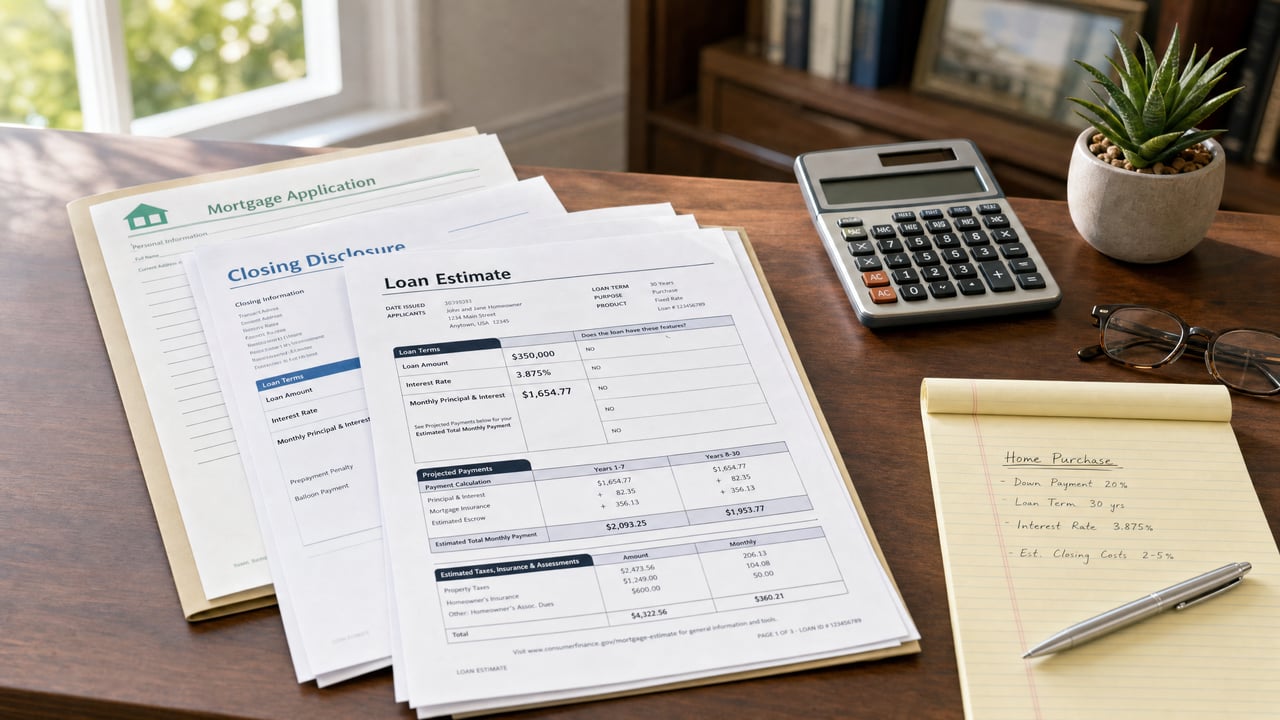
Buyers often use these terms interchangeably. Sellers do not, and the difference can determine whether your offer even gets considered.
Pre-qualification and pre-approval sound similar enough that many buyers use the terms interchangeably, but they mean different things to a seller reviewing offers, and confusing the two can cost you a home you were otherwise qualified to buy.
Pre-Qualification: A Quick, Informal Estimate
Pre-qualification is based on financial information you report yourself: income, debts, and assets, without documentation to back it up. Many lenders do not pull a credit report at all for pre-qualification, or they use only a soft inquiry that does not affect your score. The process usually takes minutes and gives you a rough estimate of what you might be able to borrow. It is a useful first step for understanding your general budget before you start seriously house hunting, and not much more than that.
Pre-Approval: A Verified, Conditional Commitment
Pre-approval involves a full mortgage application. The lender pulls your credit report, reviews your income and asset documentation, and evaluates your debt relative to your income before issuing a pre-approval letter that states a specific loan amount, estimated rate, and terms. It carries real weight because a lender has verified the information behind it, not simply taken your word for it.
Why the Difference Matters When You Make an Offer
In competitive situations, sellers and their agents generally will not take an offer seriously without a pre-approval letter attached. A pre-qualification letter signals that you have not yet done the work, and in a market with any competition at all, that can be the difference between your offer getting a serious look and getting passed over.
Timing It Right
Get pre-qualified early, while you are still deciding whether and how much to buy, since it costs you nothing but a conversation. Get pre-approved once you are ready to tour homes and write offers, not months ahead of time. Pre-approval letters generally expire in 60 to 90 days, so timing it too early just means redoing the process later.
What You Will Need to Get Pre-Approved
Recent pay stubs, generally covering the last 30 days, along with W-2s or 1099s from the past two years.
Bank and investment account statements, typically the last two to three months, to verify assets and down payment funds.
Federal tax returns from the past two years, especially if you are self employed or have variable income.
A list of current debts, including student loans, car payments, and credit card balances.
Photo identification and your Social Security number for the credit check.
Common Pre-Approval Mistakes
Changing jobs or income structure, for example moving from salaried to self employed, in the middle of the approval process.
Making a large purchase, such as a car or furniture on credit, before closing; lenders re-check credit and debt levels shortly before funding.
Co-signing a loan for someone else while your own file is under review, which adds to your debt-to-income ratio even though the debt is not technically yours.
Letting a pre-approval lapse and assuming it will simply renew; if it expires, you will need to resubmit updated documentation.
What Happens After You Are Pre-Approved
Pre-approval is not the finish line, it is what lets you start touring homes and writing offers with confidence. Once you are under contract on a specific property, the lender moves into full underwriting: ordering an appraisal, verifying your documentation in full, and confirming the property itself meets the loan program's requirements. Your pre-approved rate and terms are not guaranteed until the loan closes, which is part of why keeping your financial picture stable between pre-approval and closing matters as much as the pre-approval itself.
A Note on Shopping Multiple Lenders
Getting pre-approved with more than one lender to compare rates will not meaningfully hurt your credit. FICO scoring models group multiple mortgage related credit inquiries made within a set window, generally 14 to 45 days depending on the scoring version, and count them as a single inquiry. To stay safe across every version, keep your rate shopping within about two weeks.
Ready to Talk Through Your Options?
Buying or selling always comes down to your specific goals, timeline, and finances, not just the headlines. If you would like to talk through what any of this means for your situation, reach out to Black Tie Realty. We are happy to answer questions, walk through the numbers, and help you build a plan, no pressure attached.
Black Tie Realty | blacktierealtyne.com
Sources
Pre-Qualified vs Pre-Approved: What's the Difference? — Zillow — https://www.zillow.com/learn/pre-qualification-vs-pre-approval/
Preapproval vs Prequalification — PNC Insights — https://www.pnc.com/insights/personal-finance/borrow/preapproval-vs-prequalification.html
Don't Fear Multiple Credit Inquiries When Mortgage Rate Shopping — The Mortgage Reports — https://themortgagereports.com/22895/multiple-credit-inquiries-mortgage-rate-shopping