It is the most searched real estate question there is, and the real answer depends more on you than on the market.
“Is it a good time to buy a house?” is the single most searched real estate question, year after year. The honest answer is that market conditions rarely provide a clean yes or no. A more useful question is whether you, specifically, are ready, and that comes down to a handful of concrete factors rather than headlines about rates or prices.
How Long You Plan to Stay Matters More Than Timing the Market
Buying tends to beat renting financially only after you have owned long enough for equity growth to offset your upfront costs: closing costs, the down payment, and the transaction costs of eventually selling. Most housing analysts put that breakeven point around 5 to 7 years in the current market. If you expect to move within 3 to 4 years, renting is often the better financial choice, regardless of what mortgage rates are doing in a given month.
What You Can Afford Today
Nationally, affordability has improved slightly. As of March 2026, the National Association of Realtors' Housing Affordability Index stood at 113.7, meaning a family earning the median income earns roughly 14% more than what is required to qualify for a median priced home nationally. That is a national average, and it can mask a different picture locally. A separate measure, the NAHB Cost of Housing Index, found that a family earning the national median income of $106,800 needed about 32% of that income to cover the mortgage payment on a median priced new home in early 2026, while lower income families needed a far larger share. The takeaway is not that affordability is solved. It is that affordability varies enormously by market and household, which is exactly why a national headline cannot answer this question for you.
Income and Job Stability
Lenders generally want to see about two years of steady income before approving a mortgage, and for good reason: a mortgage is a long commitment, and a stable income is what makes a monthly payment sustainable regardless of what happens to home values after you buy. If your income or employment situation feels uncertain, that is a more reliable signal than any market forecast.
What Reserves You Have Beyond the Down Payment
Buying a home does not end at closing. Ongoing maintenance, unexpected repairs, and simply adjusting to a new monthly payment all argue for keeping a cash cushion beyond your down payment and closing costs, rather than spending every available dollar to get into a home.
What the Market Is Doing Right Now
Once your own readiness is sorted out, current market conditions are worth a look, mainly to set expectations rather than to time a purchase. Mortgage rates have eased somewhat, with the 30 year fixed averaging 6.58% as of late July 2026, down from 6.74% a year earlier. National inventory has grown to roughly 4.5 months of supply, a more balanced market than the intensely competitive conditions of 2021 and 2022, though still leaning slightly toward sellers.
Common Timing Traps to Avoid
Waiting for the “perfect” rate. No one, including professional forecasters, reliably predicts where rates will be in six or twelve months, and waiting has a real cost if prices rise in the meantime.
Trying to time the exact bottom of the market. Bottoms are only obvious in hindsight, and a home that fits your budget and needs today is worth more than a theoretical better deal later.
Letting a friend's or relative's experience in a different city or price point set your expectations, when affordability and inventory vary enormously by local market.
Stretching your budget to the maximum you are approved for rather than the payment you are comfortable carrying long term.
A Simple Way to Weigh the Decision
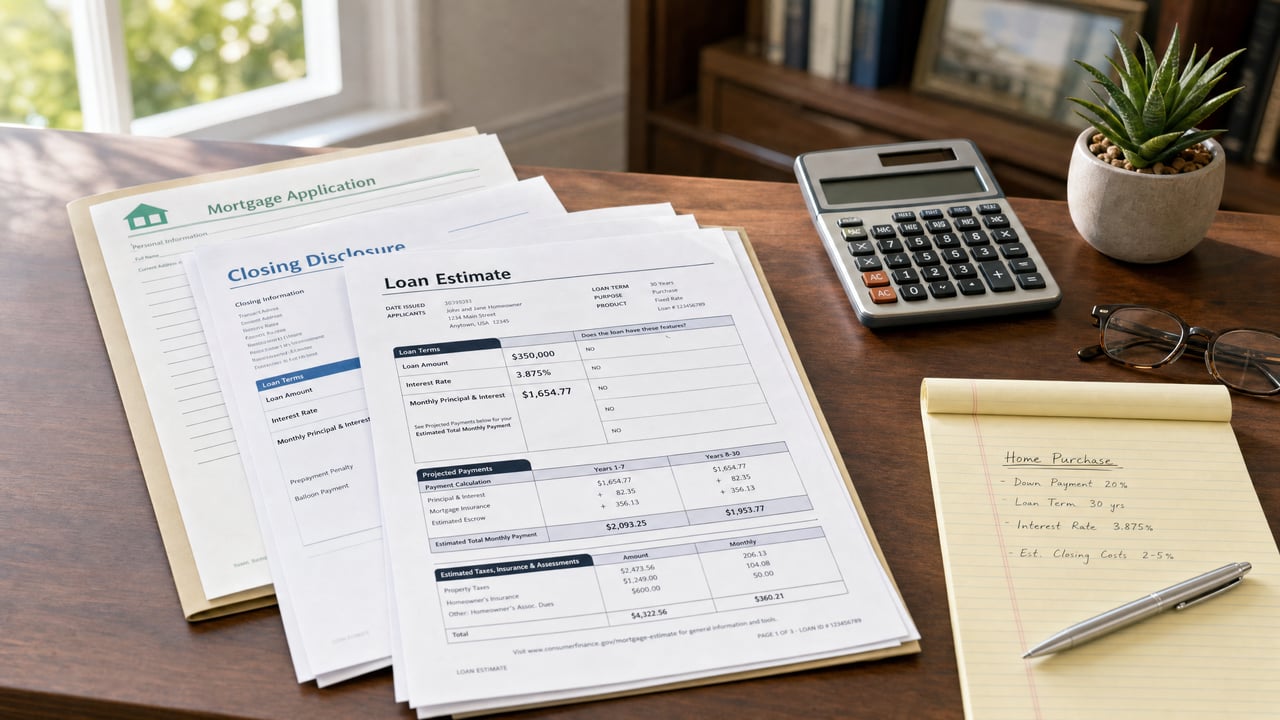
Rather than asking whether the market is good, try running your own numbers side by side. Compare your current monthly housing cost to what a mortgage payment would look like on a home in your target price range, factoring in taxes and insurance. Compare that gap to how much you would need to hold in reserve for a down payment, closing costs, and a cushion afterward. If the monthly numbers are close and your reserves are solid, timing becomes a much smaller factor in the decision. If the gap is wide or your reserves are thin, that is useful information regardless of what mortgage rates happen to do next quarter.
A Note for Different Kinds of Buyers
A first time buyer weighing this question is often most affected by the affordability and reserve factors above, since there is no existing home equity to fall back on. A move up buyer is usually less exposed to market timing risk, since they are typically selling into the same market conditions they are buying into, which tends to net out. An investor evaluating a purchase should weigh the breakeven timeline even more heavily, since rental income and financing costs make holding period the central variable in whether a purchase performs financially.
The Bottom Line
“Is it a good time to buy” breaks down into four smaller questions: how long will you stay, what can you afford, how stable is your income, and do you have a reserve beyond the down payment. Get clear answers to those, and the market's mood in a given month matters far less than it seems to.
Ready to Talk Through Your Options?
Buying or selling always comes down to your specific goals, timeline, and finances, not just the headlines. If you would like to talk through what any of this means for your situation, reach out to Black Tie Realty. We are happy to answer questions, walk through the numbers, and help you build a plan, no pressure attached.
Black Tie Realty | blacktierealtyne.com
Sources
Rent vs Buy Break Even: How Long Until Buying Wins (2026) — https://lrgrealty.com/lrg-blog/rent-vs-buy-break-even-timeline/
Housing Affordability Index — NAR — https://www.nar.realtor/research-and-statistics/housing-statistics/housing-affordability-index
Housing Affordability Edges Up in First Quarter but Challenges Persist — NAHB — https://www.nahb.org/news-and-economics/press-releases/2026/05/housing-affordability-edges-up-in-first-quarter-but-challenges-persist
Mortgage Rates Average 6.58% — Freddie Mac — https://www.freddiemac.com/pmms